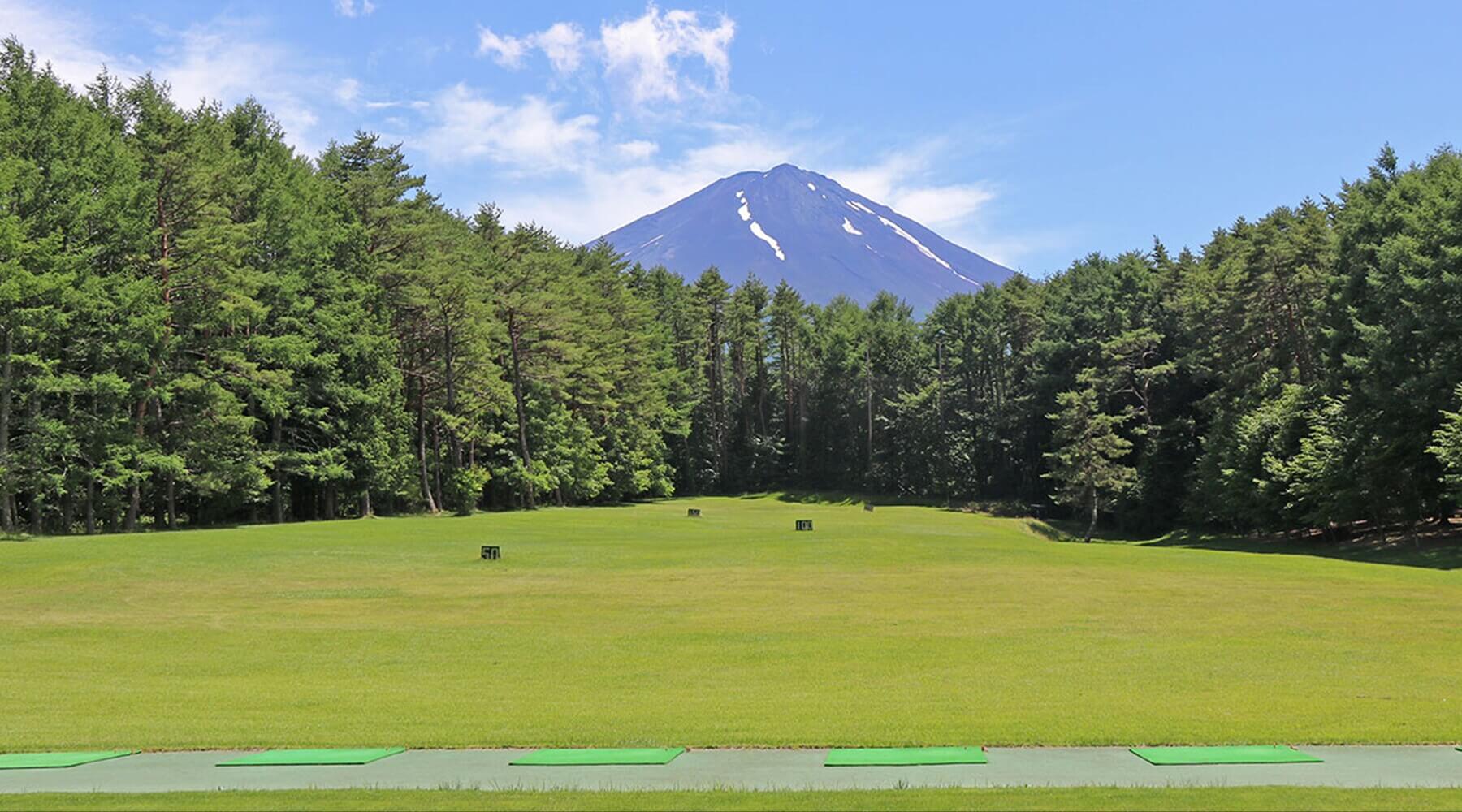
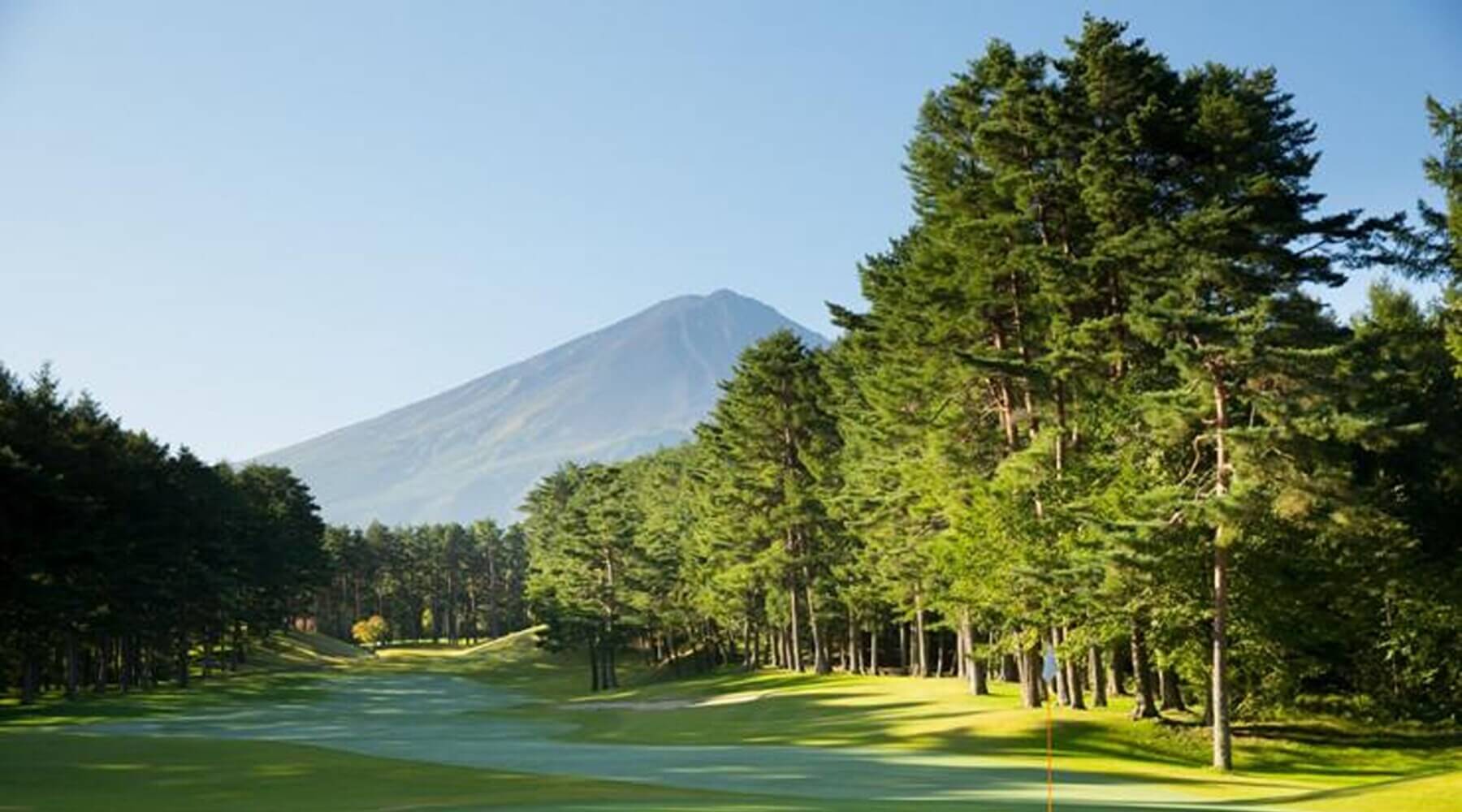
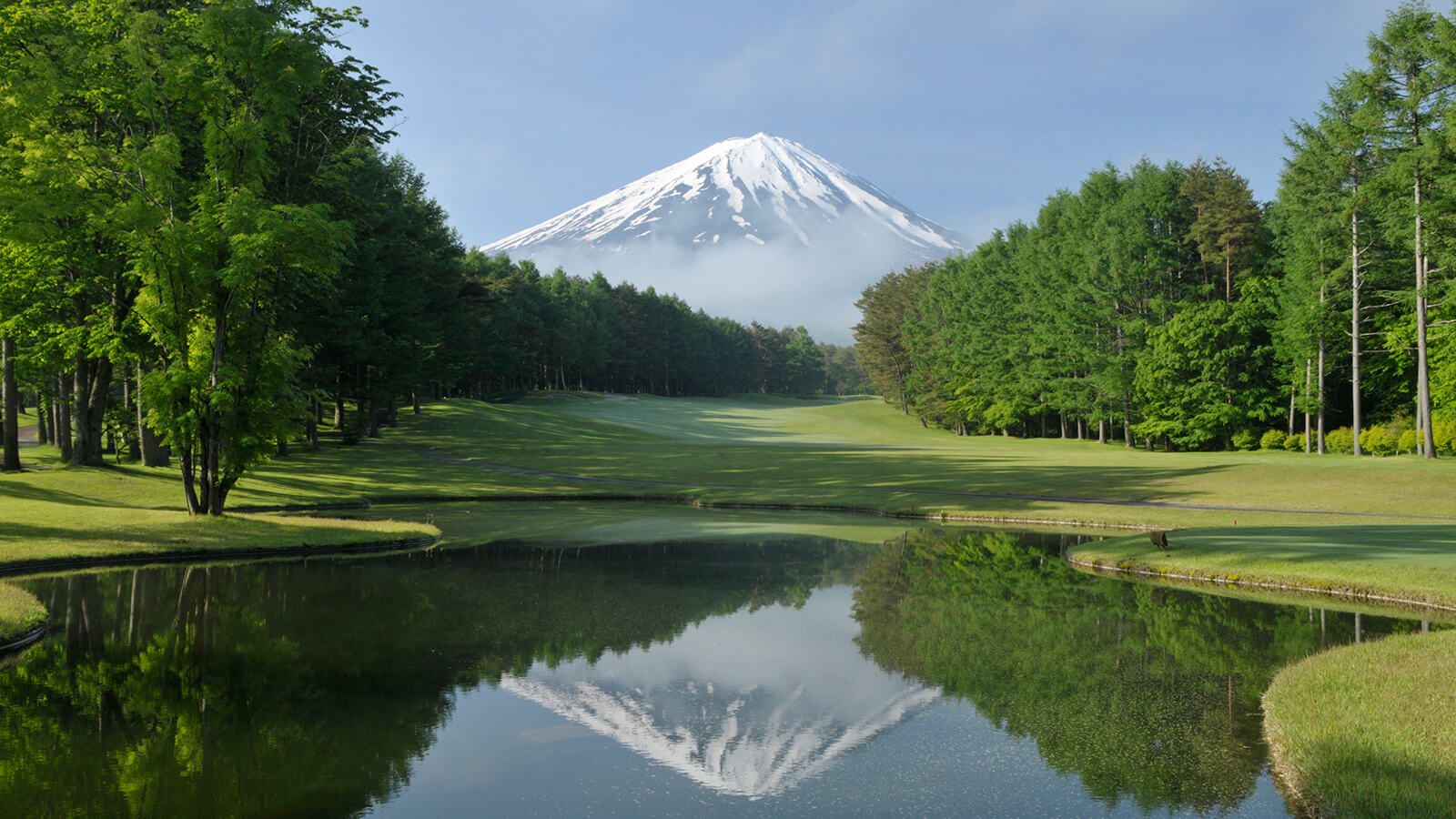
Fujizakura Country Club is a strategic, tournament-standard layout designed by Kazuya Shimura and opened in October 1975. The routing sits on the northern foot of Mt Fuji at roughly 1,000 metres elevation, with each hole separated by corridors of Japanese red pine and larch. This gives the course a defined, almost individual feel hole to hole, rather than the open sightlines typical of many resort courses. Conditions favour accuracy over raw power. The fairways are generous by championship standards, but the true test lies in the greens and their surrounds, which are widely regarded as the most demanding element of the course. Penn A-2 bentgrass greens run fast and firm, and misjudged approach shots are punished by tightly contoured run-offs rather than outright hazards. At 7,437 yards from the championship tees and playing to a par of 71, it is considered the longest par-71 course in Japan, a factor that has shaped its role as the long-term host of the Fujisankei Classic on the Japan Golf Tour.
Weather at altitude plays a genuine role. Summers are noticeably cooler than Tokyo, generally in the low twenties, which makes the course a popular warm-season option, while wind across the more exposed holes can influence club selection on approach shots. Autumn brings firmer conditions and turning foliage, adding a further test to shot-making as greens tend to run quicker in drier air.
The course is presented to tournament standard throughout the year, reflecting its role hosting professional competition. Historically, this competitive pedigree, including rounds played by Shingo Katayama, Ryo Ishikawa and Hideki Matsuyama, gives the round a sense of occasion uncommon in resort golf. Golfers should expect a course that rewards course management and precise iron play over aggressive driving, with the closing stretch in particular demanding composure after a round that offers little respite on the greens from start to finish.