Included for everyone
Loch Linnhe and the Highlands
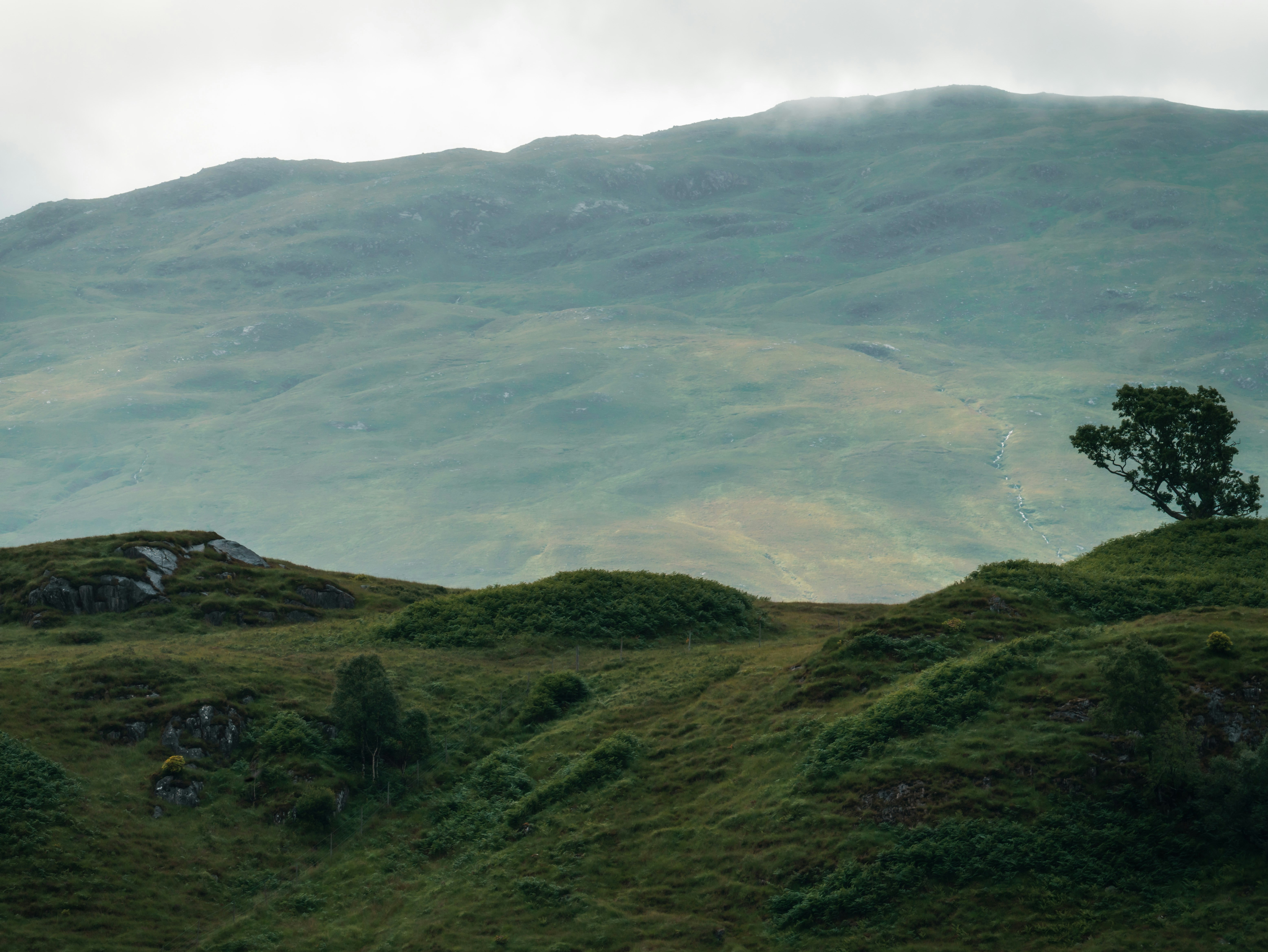
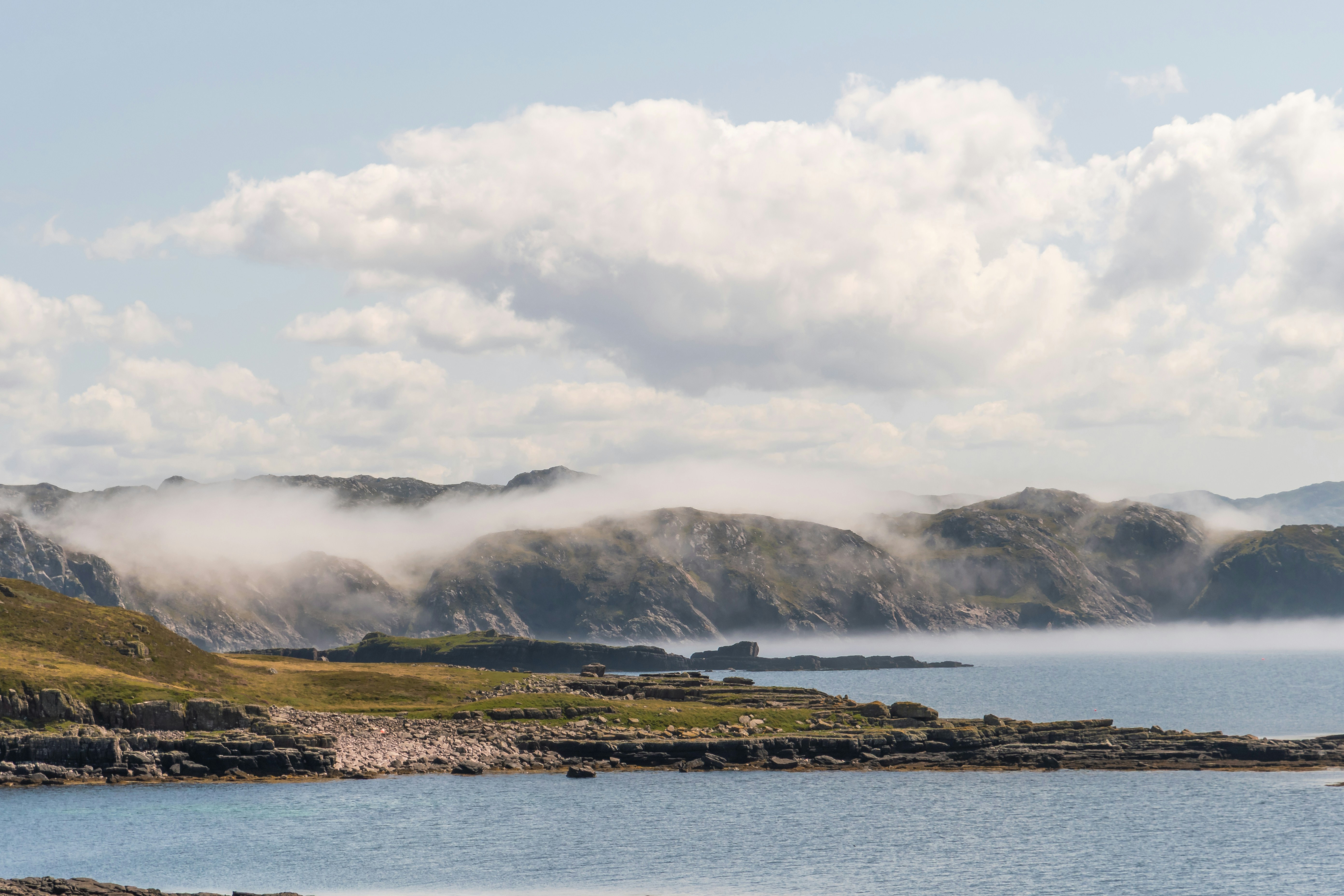
The morning is spent on deck as the ship works up Loch Linnhe with Ben Nevis filling the view, which is among the finest stretches of coastal sailing in Britain. Ashore at Fort William, the day runs inland through Glen Nevis and the Great Glen, a landscape of hanging valleys and bare rock that feels far older than anything built on it.
Calanais and the Isle of Lewis
The Calanais standing stones were raised around five thousand years ago, which puts them ahead of the pyramids and the circle at Stonehenge, and they survive as a cross of weathered gneiss on a ridge above Loch Roag. The island also holds the reconstructed Iron Age house at Bostadh, uncovered when a storm stripped the beach, and the restored thatched blackhouse village at Gearrannan above the Atlantic.
Suðuroy, the southern Faroes
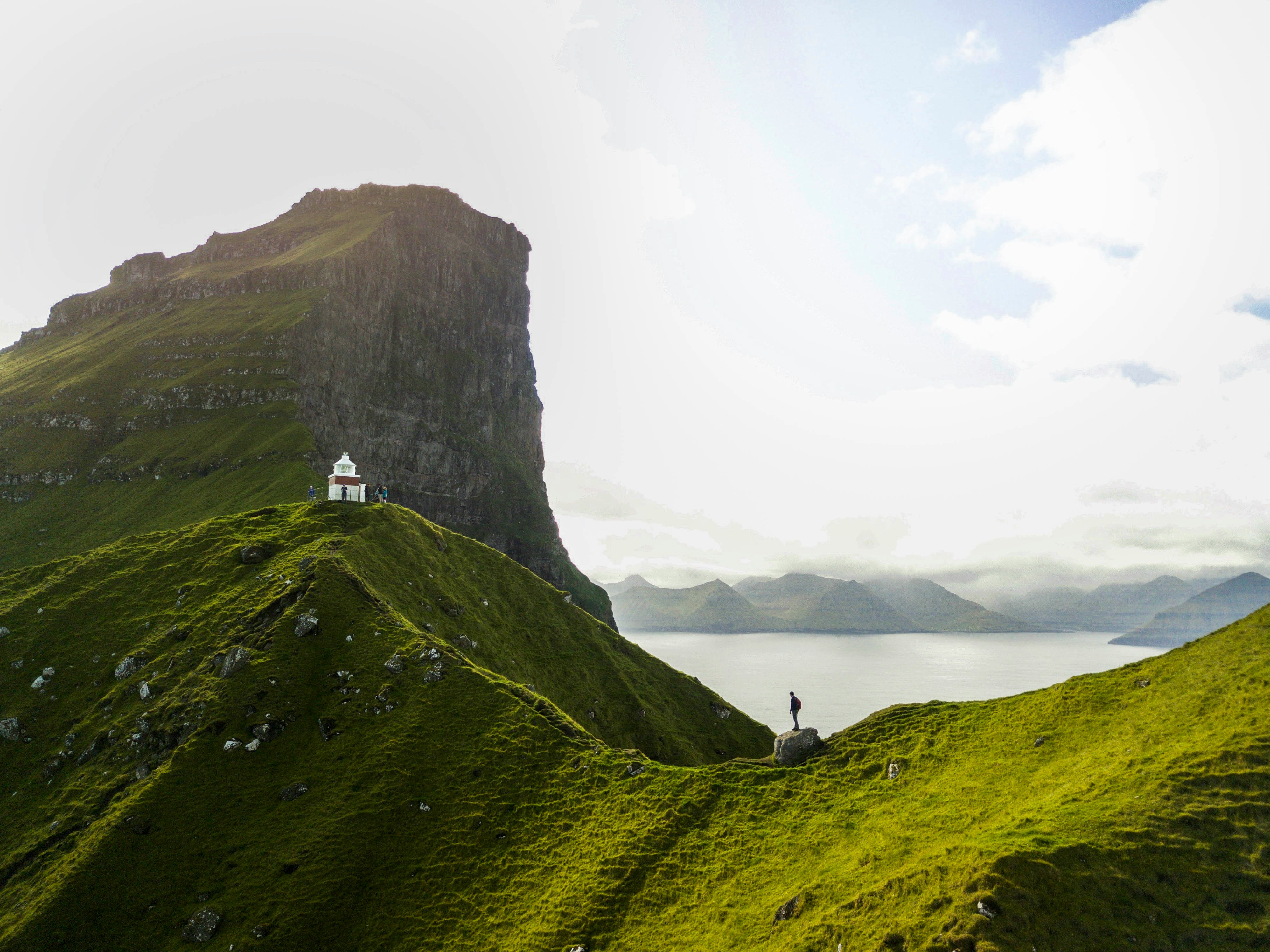
The least visited of the Faroe Islands and the most dramatic. Suðuroy is a long basalt ridge that falls straight into the sea on its western side, where the cliff at Beinisvørð rises close to five hundred metres and holds seabird colonies in numbers that have to be seen. The ship stays overnight, and in a Faroese spring the light barely leaves the sky.
Tórshavn and the sailing past Drangarnir
Tórshavn is almost certainly the smallest capital city you will ever visit, with turf roofed parliament buildings on the Tinganes promontory that have been in continuous government use since the Vikings. The afternoon brings the better of the two halves, as the ship sails past the sea stacks of Drangarnir and the islet of Tindhólmur, which rises out of the water in five distinct peaks.
Saksun, Gjógv and the Vestmanna cliffs
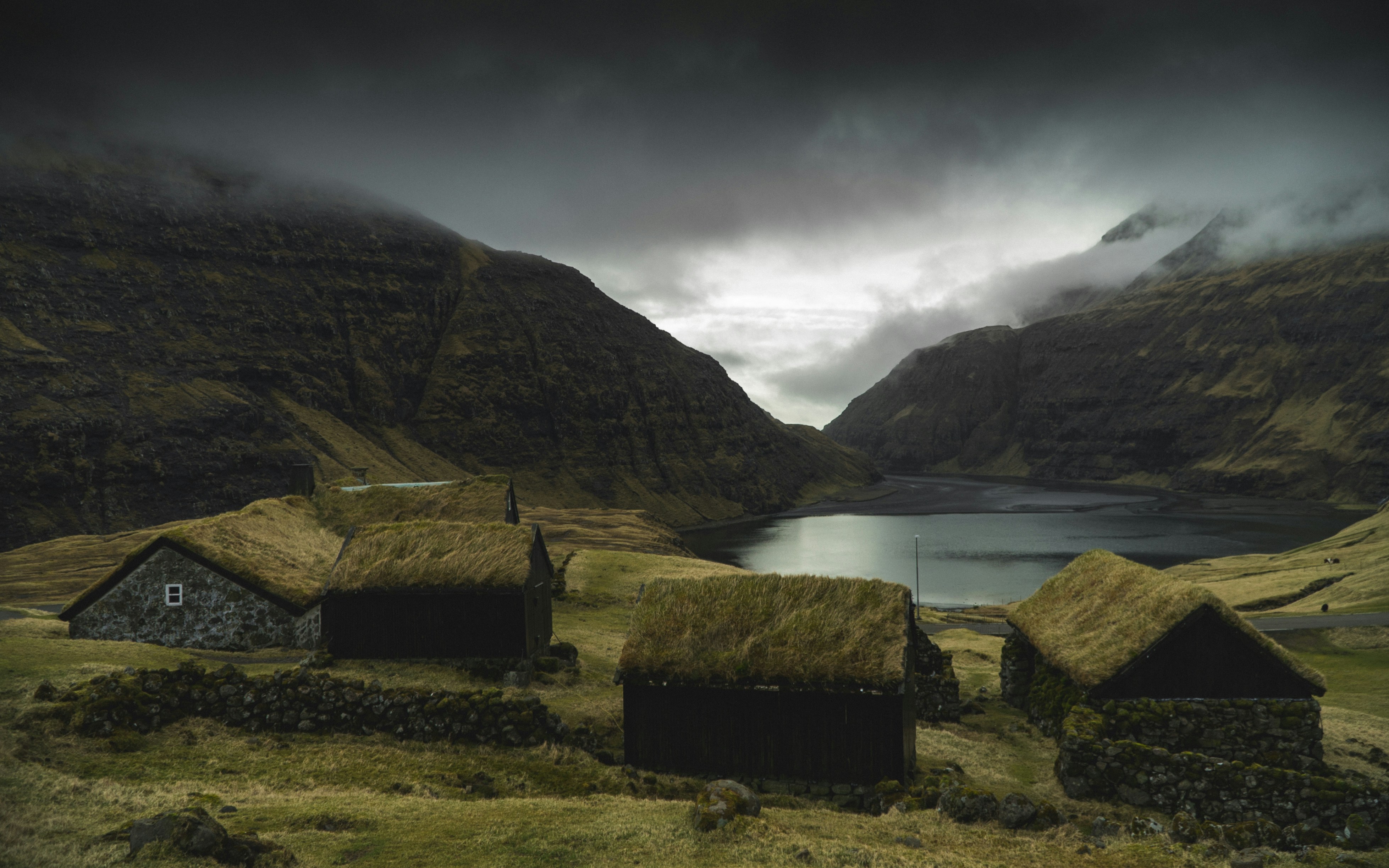
A final Faroese morning with a choice. Inland there is Saksun, a turf roofed church above a tidal lagoon in a natural amphitheatre, and Gjógv, a village built around a sea gorge that serves as its harbour. By water there are the Vestmanna cliffs, where small boats run in beneath six hundred metres of rock through arches and stacks alive with nesting birds.
Jökulsárlón and Diamond Beach
From the fishing village of Djúpivogur the day runs west to the glacier lagoon at Jökulsárlón, where icebergs break off the face of Breiðamerkurjökull, drift across the water and wash out to the black sand of Diamond Beach to sit stranded in the surf. It is the most photographed place in Iceland and it deserves to be.
The Golden Circle
Þingvellir is where Icelanders founded their parliament in the year 930, set in the rift valley where the North American and Eurasian plates are pulling apart in front of you. From there the day takes in the Geysir geothermal field, where Strokkur throws water twenty metres into the air every few minutes, and finishes at Gullfoss, where the Hvítá drops in two great stages into a canyon of its own making.
Included for non golfers
Campbeltown and Springbank
Campbeltown was once the whisky capital of the world, with more than thirty distilleries working in a town of a few thousand people. Three remain, and Springbank is the reason people still make the journey down Kintyre. Held by the same family since 1837, it is the only distillery in Scotland to malt, distil, mature and bottle everything on one site, and it makes three entirely different whiskies from the one still house.
The Mull of Kintyre
A day out to the southern tip of the peninsula, where a lighthouse has stood since 1788 and the cliffs look across twelve miles of water to the Antrim coast. On a clear day the view holds Ireland, Islay, Jura and the Paps of Jura all at once, and the drive down through the Kintyre hills is half the pleasure.
Belfast and the Titanic Quarter
Titanic Belfast stands directly over the slipways where the ship was built and launched, with the original drawing offices preserved alongside and the SS Nomadic, the last White Star vessel afloat, moored in the dock beside it. The wider tour takes in the city centre, the Cathedral Quarter and the murals, which say more about Belfast than the shipyard alone ever could.
Eldheimar and the Puffin Rescue Centre
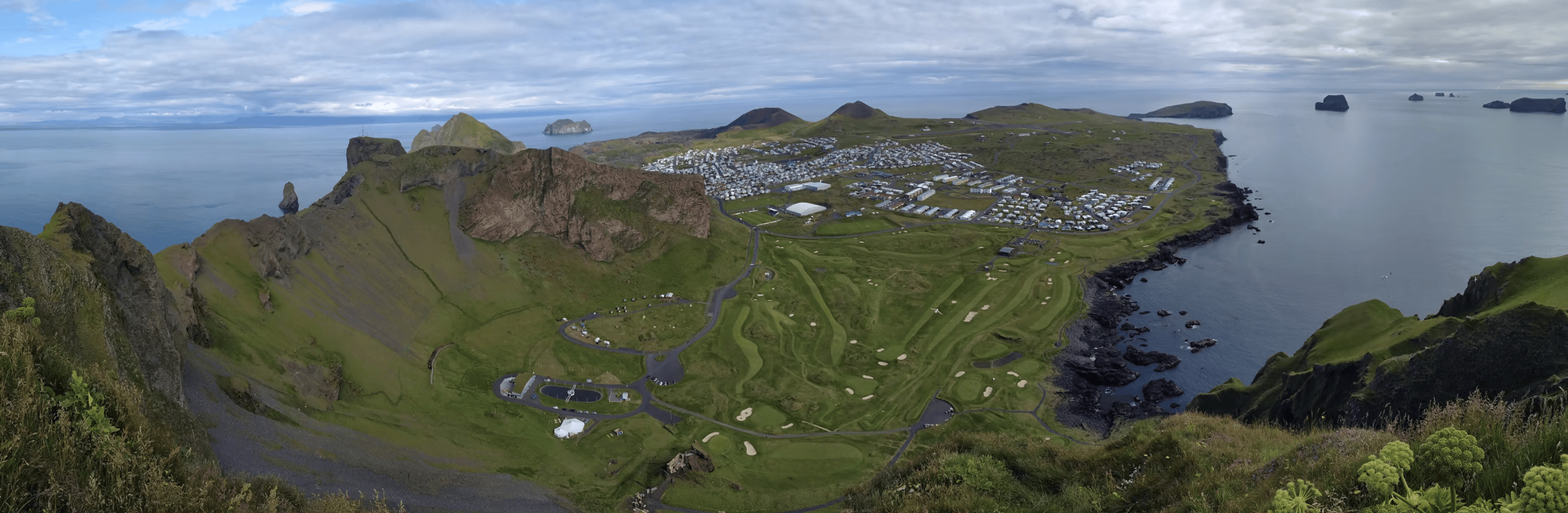
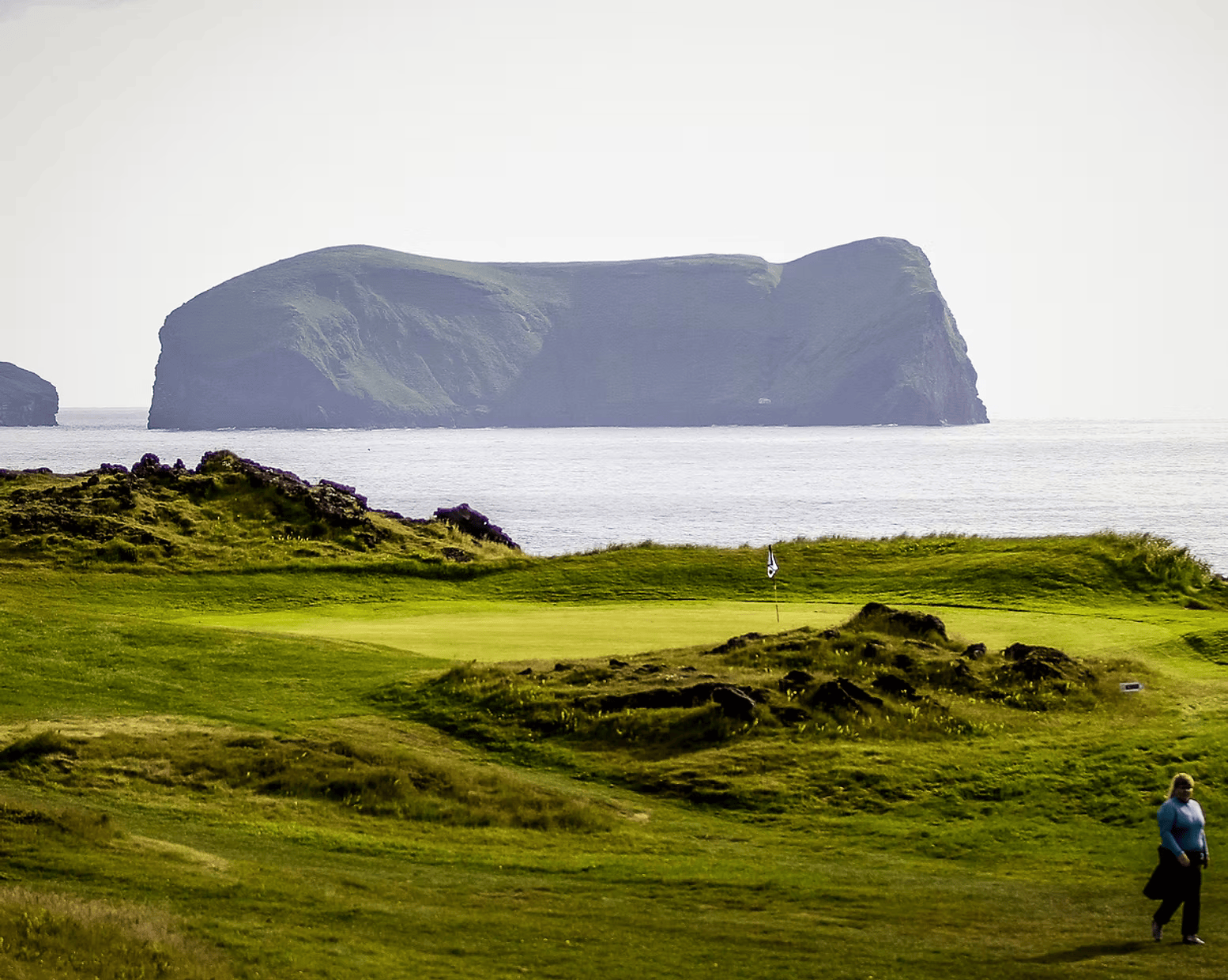
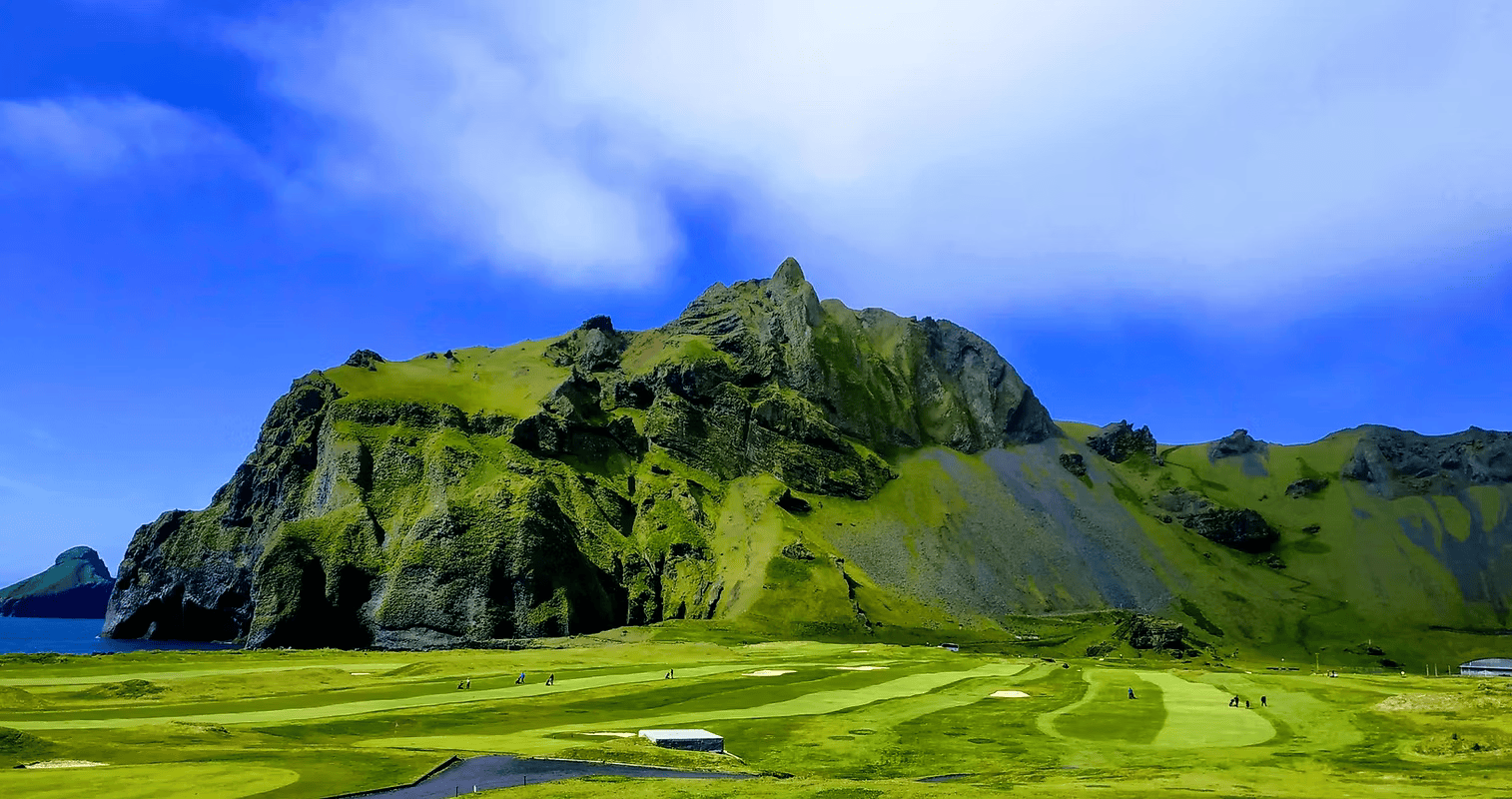
In January 1973 a fissure opened without warning at the edge of Heimaey’s only town, five thousand islanders were evacuated overnight by fishing boat, and when it stopped five months later a third of the town lay under lava. Eldheimar is built over one of the buried houses, excavated out of the ash and left exactly as it was found. The day also visits the Sea Life Trust centre, home to the world’s first open water beluga sanctuary and to Iceland’s only Puffin Rescue Centre, where pufflings brought in by the island’s Puffling Patrol are nursed and released.
Reykjavík food and culture walk
A guided morning through the old town, the harbour and Laugavegur, taking in Hallgrímskirkja and the streets behind it, with tastings along the way of the things Icelanders actually eat rather than the things usually put in front of visitors.
The Blue Lagoon
Geothermal water the colour of milk and sky, held in a lava field on the Reykjanes peninsula, with the Premium experience covering reserved entry, robe and slippers, the sauna and steam rooms, three face masks including the silica and the algae, a drink in the water and a silica mask to take home. Forty five minutes from Reykjavík and the right way to spend a final day in Iceland.